A couple of years ago, I was walking around a T.J. Maxx. It was one of those times when my wife was shopping for clothes, and I was bored trying to find something to do.
I walked down an aisle, and an item caught my eye. Sitting on the bottom shelf were two large salt rock lamps. Himalayan salt lamps. Those glowing pink chunks of rock that promise everything from cleaner air to better sleep. Even a mood boost that rivals antidepressants.
Ever since a friend told me that when he bought his, it “changed the energy” in the room, I was interested in buying one. But with a price tag of over $60, I was not ready to make that kind of investment.
But this time was different. Both of those lamps would come to about $40. For that price, I was willing to give it a try.
I called my wife over and showed her. She, too, was excited about them and was willing to make the purchase.
When we got home, I immediately set one of those up in my office.
I started breathing better immediately. My creativity increased. I was writing my research papers much faster.
Or was I?
What Are These Things?
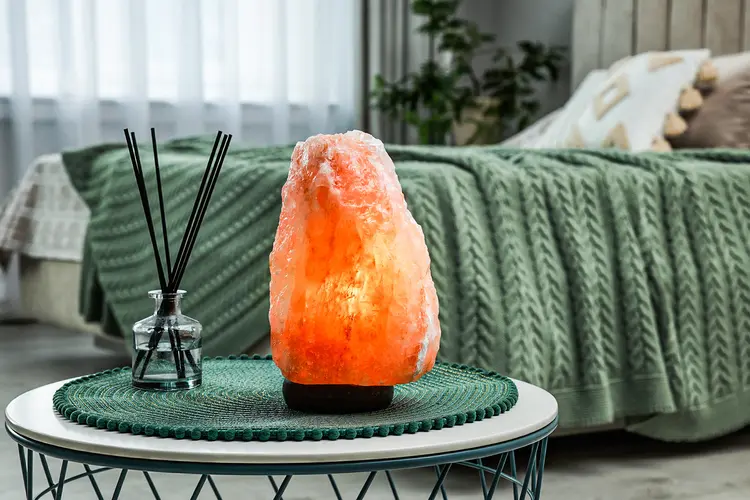
Himalayan salt lamps are exactly what they sound like. Large chunks of pink salt from the Khewra Salt Mine in Pakistan. They are hollowed out to fit a light bulb inside. When you flip them on, they emit a warm, pinkish-orange glow.
I have to admit, if anything, they are nice and give the room a special vibe.
The salt is millions of years old. They are harvested from the world’s second-largest salt mine. It’s mostly sodium chloride — regular table salt. What makes it beautiful is the trace minerals that give it that Instagram-worthy pink color.
For over a year, I believed that these things were helping my temperament. One day, I was scrolling somewhere, possibly social media, and came across something that changed my life forever.
These salt rocks have no health benefits.
The Claims
If you believe the sellers, these lamps can:
- Purify the air by attracting and trapping pollutants, allergens, and toxins
- Generate negative ions that neutralize harmful particles and boost your health
- Improve your mood by increasing serotonin levels
- Help you sleep better through some combination of the above
- Ease asthma and allergy symptoms by cleaning the air you breathe
Sounds incredible, right?
There’s just one problem.
What the Research Actually Says
I dug into the peer-reviewed studies. Healthline, WebMD, and various medical journals have examined these claims. Here’s what they found:
On Air Purification
There’s no evidence that salt lamps remove pathogens, allergens, or pollutants from your air..
The theory is that the warm lamp attracts water molecules carrying contaminants, the water evaporates, and the bad stuff gets left behind. But even if this worked, the lamp’s surface would quickly become coated and useless.
On Negative Ions
This is the big one. The entire health claim industry around salt lamps rests on the idea that they produce negative ions, which some claim are good for you.
Two problems:
First, salt is incredibly stable. Its sodium and chloride molecules don’t want to separate into ions. To make that happen, you’d need extreme heat — way more than a 25-watt bulb can produce. Scientists say that a salt lamp in your living room probably isn’t making any meaningful amount of negative ions at all.
Second, even if they did produce ions, the research on negative ions affecting human health is far from conclusive. Studies that showed mood improvements with negative ions used concentrations far higher than any salt lamp could ever produce. And even those studies couldn’t establish a clear cause-and-effect relationship.
On Mood and Sleep
A 2013 review of air ionization effects on relaxation and sleep found no evidence of a beneficial effect. Some animal studies showed high concentrations of negative ions affected serotonin levels — but those were mice in labs, not humans in bedrooms. And again, the concentrations were far beyond what a salt lamp could generate.
On Respiratory Conditions
There are zero studies showing salt lamps help with asthma or allergies. Multiple studies on air ionizers — which produce way more negative ions than salt lamps — found no improvement in breathing or asthma symptoms. No reduction in inhaler use. Nothing.
Some advocates point to halotherapy — salt cave therapy — as proof that salt helps respiratory conditions. But sitting in a lamp-lit room is very different from spending extended time in an actual salt cave, and even halotherapy research is still inconclusive.
The Honest Truth
For several months, I sat in my office thinking that this light was helping ground me. It was helping me breathe and think more clearly.
All the while, this was nothing but a placebo.
I had to reframe my mindset. Instead of thinking the lamp was doing any cleansing or helping my breathing, it just gave me a nice ambiance.
I had to come to terms that I had purchased a glorified nightlight.
They are still being used. One sits in my living room, and another is still sitting in my office.
In the silence of the evening, when I am sitting at my desk doing schoolwork, I will turn off the overhead lights and just work by the glow of my computer monitors and the pinkish gleam of my rock salt lamp.










Comments (0)
No comments yet. Be the first to share your thoughts!
Leave a Comment